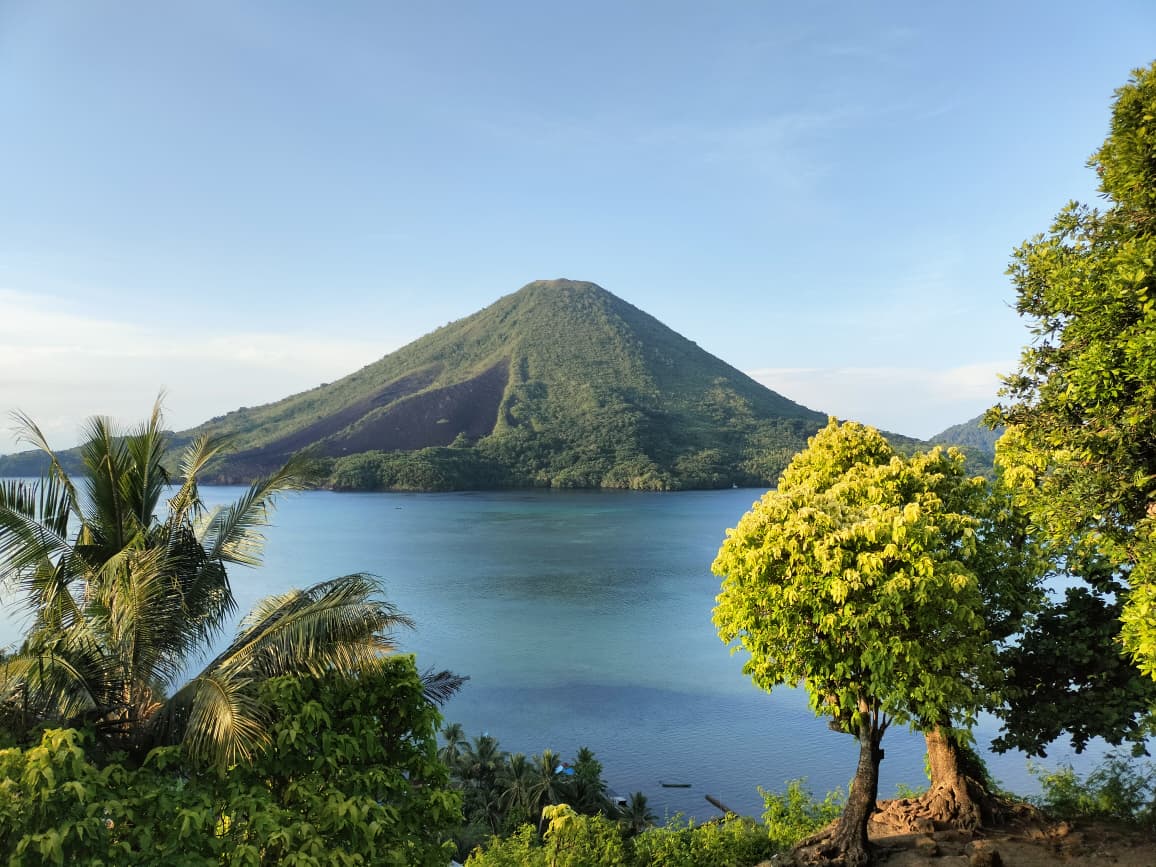
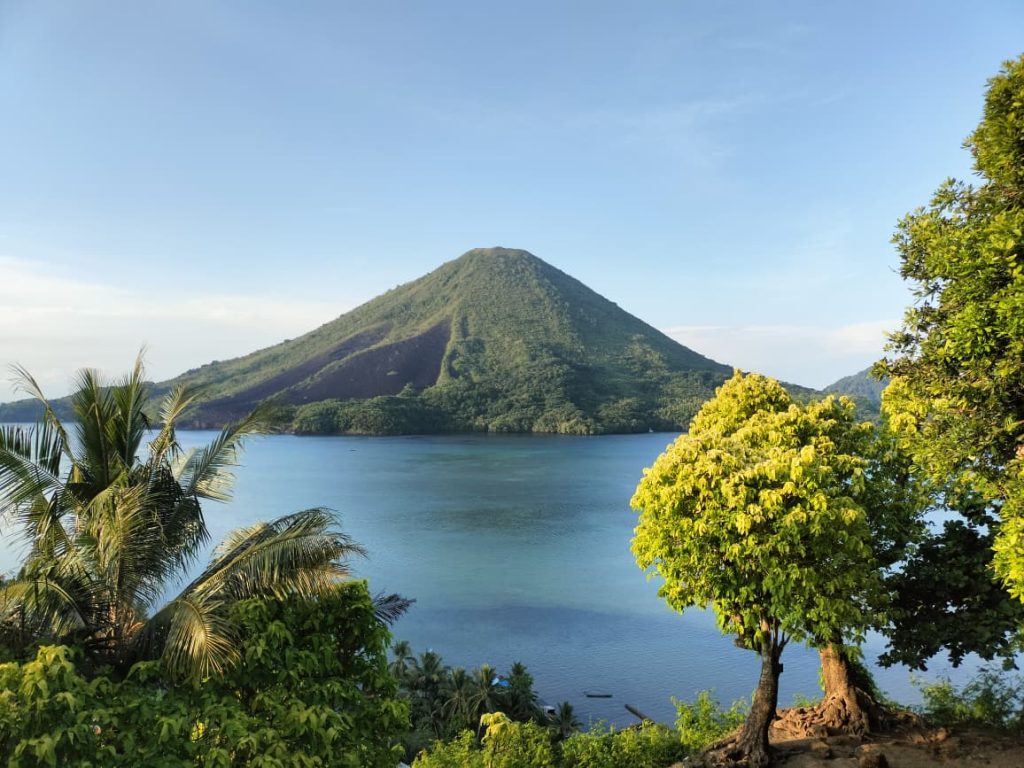
From the mountains standing tall to the forests that feel cool as we walk through them, the land ecosystem gives us far more than we often realize. Forests provide the clean air we breathe, the soil produces the food we rely on every day, and all of it works continuously to keep human life running. These natural systems support our basic needs while maintaining the environmental balance that makes our lives stable.
However, these benefits only last as long as we take care of nature. When we protect the land ecosystem, it protects us in return. The quality of our water and air, the frequency of floods or droughts, and even our daily comfort are strongly influenced by how we treat the environment. When an ecosystem is maintained, it provides protection. When it is damaged, the impacts come back to us in the form of much greater risks.
What Exists Within the Land Ecosystem
Forests as Climate Regulators and Biodiversity Hotspots
Indonesia is home to some of the world’s largest tropical forests. Based on data from the Interfaith Rainforest Initiative, which has more than 90 million hectares of forest cover, making it the third-largest tropical forest holder globally, following Brazil and the Democratic Republic of the Congo. These forests serve as natural climate regulators, absorbing massive amounts of carbon and helping stabilize temperatures. Forest vegetation maintains humidity, regulates rainfall cycles, and provides habitat for thousands of plant and animal species. From Javan gibbons to hornbills, from meranti trees to rattan, every species plays a role in sustaining ecological balance.
Fertile Soil and Mountain Landscapes that Support Food Security
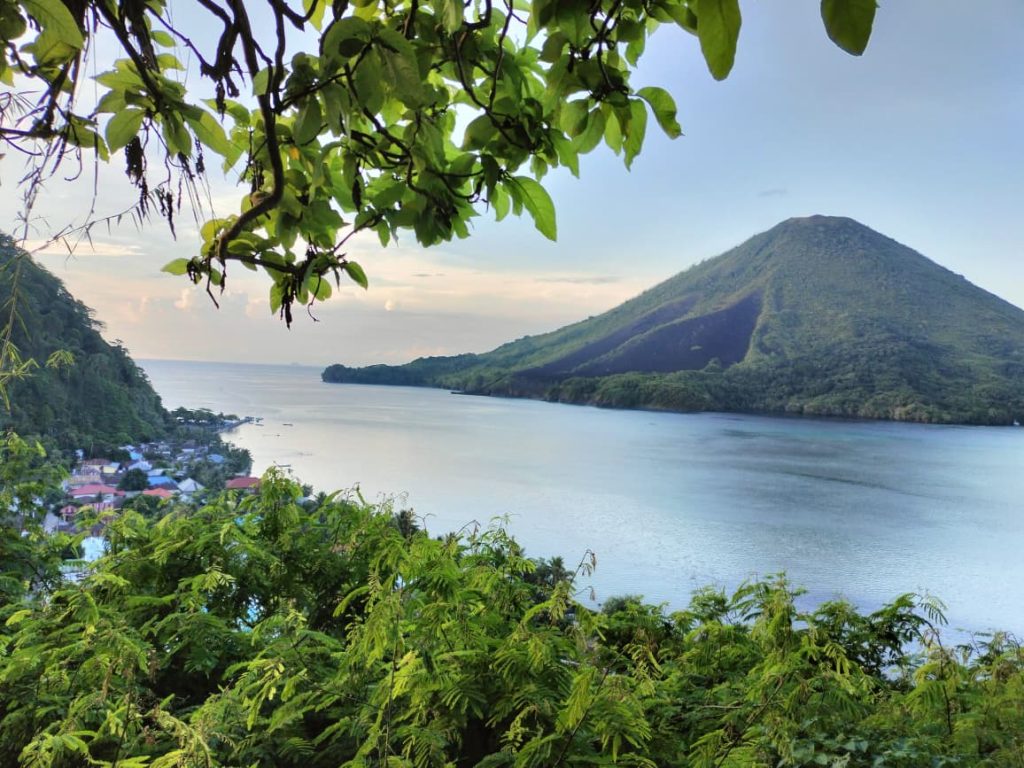
Indonesia’s soil is rich and fertile thanks to volcanic activity from mountain ranges that stretch across Sumatra to Papua. Volcanic soil stores essential minerals for agriculture, ensuring that rice, vegetables, and fruits can grow well. Healthy soil also supports diverse plant and animal life. Strong root systems reduce erosion, maintain water content, and keep the land stable.
Rivers and Watersheds as Sources of Clean Water
Indonesia has thousands of rivers that ideally serve as major sources of clean water. Naturally, rivers and watersheds filter water through surrounding vegetation, keep water flow stable, and support household needs, agriculture, and local ecosystems. However, many rivers today face heavy pressure from waste, pollution, land conversion, and deforestation, making clean rivers increasingly rare, especially in urban areas. Still, their basic function remains: when watersheds are restored and pollution is reduced, rivers can recover and once again provide safe, clean water.
What Happens When We Take Care of Nature
When land ecosystems are well maintained, the benefits return to humans as protection, stability, and improved quality of life. Healthy forests absorb carbon, reduce temperatures, and stabilize humidity. Trees act as natural air filters that remove pollutants while helping maintain the balance of oxygen in the atmosphere. Forest cover also stabilizes the water cycle, helping rainwater soak into the ground instead of turning into hazardous runoff.
Healthy soil directly strengthens food security. Good soil structure holds water, stores essential minerals, and supports plant growth. This leads to stable harvests and stronger agricultural productivity. A well-preserved environment also sustains habitats for plants and wildlife, maintaining biodiversity that forms the foundation of a resilient ecosystem.
In mountain areas and highlands, keeping slopes green means keeping the land stable. Healthy vegetation strengthens the soil, absorbs water, and reduces the risk of landslides and flash floods. When upstream areas are protected, downstream communities also benefit through cleaner water, more stable river flow, and fewer natural disasters.
Clean and well-maintained rivers also provide significant benefits. When rivers and watersheds are free from waste, unmanaged pollution, and narrowing caused by improper construction, the water flows smoothly and safely. Rivers regain their function as natural waterways that support household needs, agriculture, and freshwater ecosystems. Healthy rivers reduce flood risks and maintain clean water availability, especially during dry seasons.
Overall, caring for nature allows the life-support systems around us to function optimally. Nature gives back through better air quality, safer water, healthier soil, and stronger protection from disasters. In short, when we take care of the land ecosystem, we secure our own future.
What Happens When We Do Not Protect Nature
Forest Loss Leads to Bigger Floods and Landslides
When forests are cleared or replaced with land that lacks vegetation, soil loses its natural ability to absorb and hold water. In a country with high rainfall like Indonesia, water that should seep into the ground instead flows rapidly across the surface, triggering flash floods. In hilly areas, the absence of tree roots makes slopes unstable, causing more landslides.
The situation worsens with unmanaged deforestation. Although reforestation programs are increasing, they cannot always match the speed of forest loss. Newly planted trees take years to perform the ecological functions of old-growth forests. When vegetation disappears faster than it can recover, water cycles become disrupted, local climates warm, biodiversity declines, and ecosystems grow fragile.
Although the exact contribution of illegal logging to deforestation is difficult to quantify, research by CIFOR shows that it remains a significant driver of forest loss in Indonesia. In 2001 alone, an estimated 49 million cubic meters of illegally harvested timber affected up to 2.5 million hectares of forest, assuming an average extraction rate of 20 cubic meters per hectare. At the same time, based on data from the Interfaith Rainforest Initiative, major drivers of this decline come from oil palm and wood-fiber plantations primarily for the pulp and paper industries, which are the two largest contributors to forest loss in Indonesia. Between 2000 and 2015, around 1.6 million hectares of primary forest were converted to oil palm plantations and another 1.5 million hectares to wood-fiber plantations, an area larger than Switzerland. From 2001 to 2024, the country lost 32 million hectares of tree cover, equivalent to 20% of its 2000 forest cover, resulting in 23 gigatons of CO₂e emissions.
As forests continue to shrink at this scale, communities face growing risks: more frequent droughts, intensified flooding, the collapse of local water sources, and the loss of wildlife habitats that once kept ecosystems in balance.
Soil Degradation and Declining Food Production
Unprotected soil degrades quickly: erosion intensifies, mineral content drops, and the land becomes harder and unable to retain water. This directly reduces agricultural productivity, weakens food security, and accelerates droughts during the dry season. Soil degradation also reduces habitat availability for land-dwelling species, weakening ecological balance.
In mountain regions, the impact is even more severe. When slopes are carved out for construction, roads, or economic activities without proper environmental consideration, the land loses its natural stability. Without tree roots to hold soil and absorb water, slopes become fragile. Heavy rainfall can then turn these areas into disaster zones, cause landslides, flash floods, and damage to downstream water sources. Environmental damage in upstream areas always triggers a chain reaction that affects entire ecosystems.
Polluted Rivers and Declining Water Quality
When waste, household sewage, and unmanaged land conversion are left unchecked, rivers are among the first to suffer. Water becomes cloudy, smelly, and unsafe. Flow becomes unstable, overflowing during rain and drying out during drought. This threatens people’s basic needs, increases the cost of clean water production, and destroys freshwater ecosystems.
Plastic waste worsens the crisis. Plastic carried by river currents eventually reaches the ocean, breaks down into microplastics, and re-enters the human food chain. Waste buildup also clogs rivers, reducing their capacity and making floods far more likely during heavy rain.
In many areas, rivers are becoming narrower due to land conversion. Riverbanks are slowly reclaimed for housing, businesses, or infrastructure. Some rivers are even covered and turned into roads or underground channels, removing their natural function. When rivers lose space to flow, water has nowhere to go, leading to heavier and more frequent flooding.
What We Can Do to Protect Nature
Everyone has a role to play in protecting the environment. It begins with how we care for our immediate surroundings. Planting trees, maintaining green spaces, and ensuring waste does not end up in rivers are simple but impactful actions that directly improve air, water, and soil quality. Collective efforts strengthen ecological functions that quietly support our daily lives.
In forest areas, the biggest pressure comes from deforestation. Reducing its impact requires public support for reforestation, better forest protection, and responsible consumption. Choosing products that do not come from illegal land clearing, using certified wood, and supporting local conservation efforts can help slow forest loss.
In mountain regions, the main challenge is land that continues to be carved out without regard for environmental capacity. Actions that help include restoring damaged slopes, replanting vegetation, keeping upstream areas green, limiting excessive land clearing, and supporting the rehabilitation of critical land to restore stability, and taking your trash back with you whenever you hike in the mountains.
For rivers and watersheds, the first step is eliminating the habit of dumping waste into waterways. Improving household waste management, keeping river corridors open, planting vegetation along riverbanks, and supporting river restoration programs help rivers regain their natural function as safe waterways and clean water sources.
All the natural functions we enjoy today, clean air, flowing water from the highlands, fertile soil for food, and protection from disasters, do not happen on their own. These systems only survive when we protect them. From forests that regulate climate, to mountains that shield downstream communities, to rivers that carry life, every component is connected and provides direct benefits to people.
Protecting the land ecosystem is not only an environmental action; it is an investment in our safety and quality of life. When we care for ecosystems, nature responds with stability, resilience, and protection. But when we neglect them, the risks return to us in the form of disasters, water crises, biodiversity loss, and declining living conditions.
Ultimately, the choice is ours. Every small action, planting trees, reducing waste, choosing products that do not contribute to environmental damage, keeping rivers clean, stopping illegal environmental destruction, or supporting conservation initiatives, is part of a larger effort to secure a safer future. When we protect nature on land, nature protects us. And when more people move together, real change becomes possible. Our actions are not just for us today, but for future generations, because we have only one home, and we call it EARTH.
Writer: Novi Wiji Lestari
Editor: Diyah Devayanti
Reference:
Center for International Forestry Research. (n.d.). The future of Indonesia’s forests. Retrieved December 15, 2025, from https://www.cifor.org/press-release/media-release-the-future-of-indonesias-forests/
Interfaith Rainforest Initiative. (n.d.). Indonesia – Country profile. Interfaith Rainforest Initiative. Retrieved December 12, 2025, from https://www.interfaithrainforest.org/indonesia/