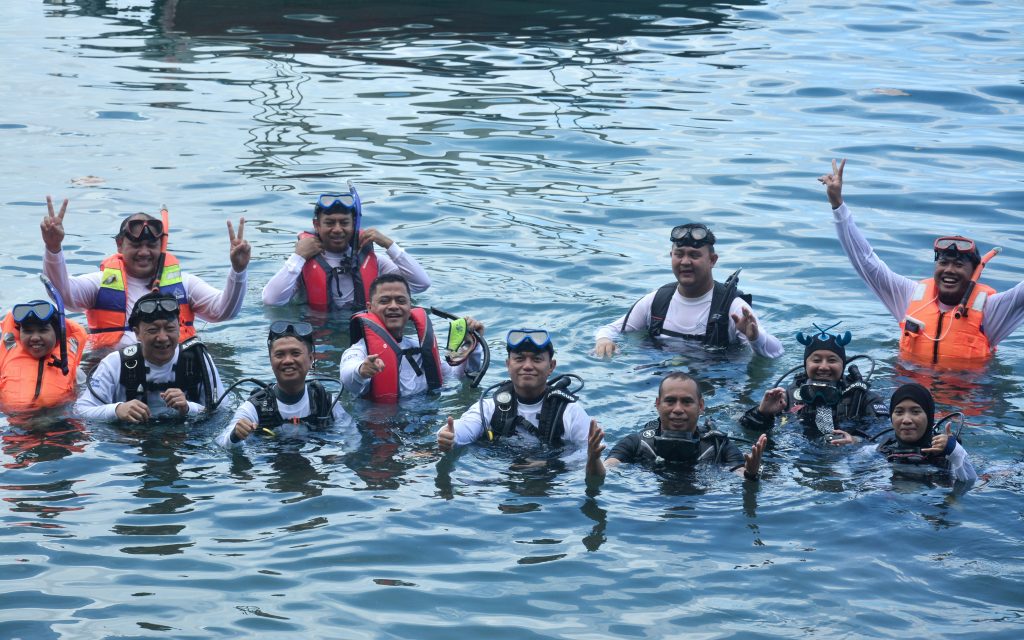
 Efforts to preserve Indonesia’s marine ecosystems continue to grow across coastal regions. One such initiative is the collaboration between Seasoldier and Pertamina International Shipping (PIS), which once again carried out a coral reef conservation program at Letan Beach, Morella Village, Central Maluku, on Thursday, September 18, 2025.
According to Dinni Septianingrum, Communication Officer of Seasoldier, this partnership with PIS is not new. Since 2023, the collaboration has taken various forms, from environmental education in schools to mangrove planting in Bali, Jakarta, and Tangerang, and now continues with coral transplantation projects in Ambon and Letan, Maluku.
This initiative reflects a shared commitment to protect Indonesia’s oceans, not merely through symbolic gestures but through concrete actions that engage communities, volunteers, and coastal residents directly. Through an educational and participatory approach, Seasoldier and PIS aim to create a sustainable conservation movement where knowledge and involvement become key to protecting one of the world’s most vital marine ecosystems.
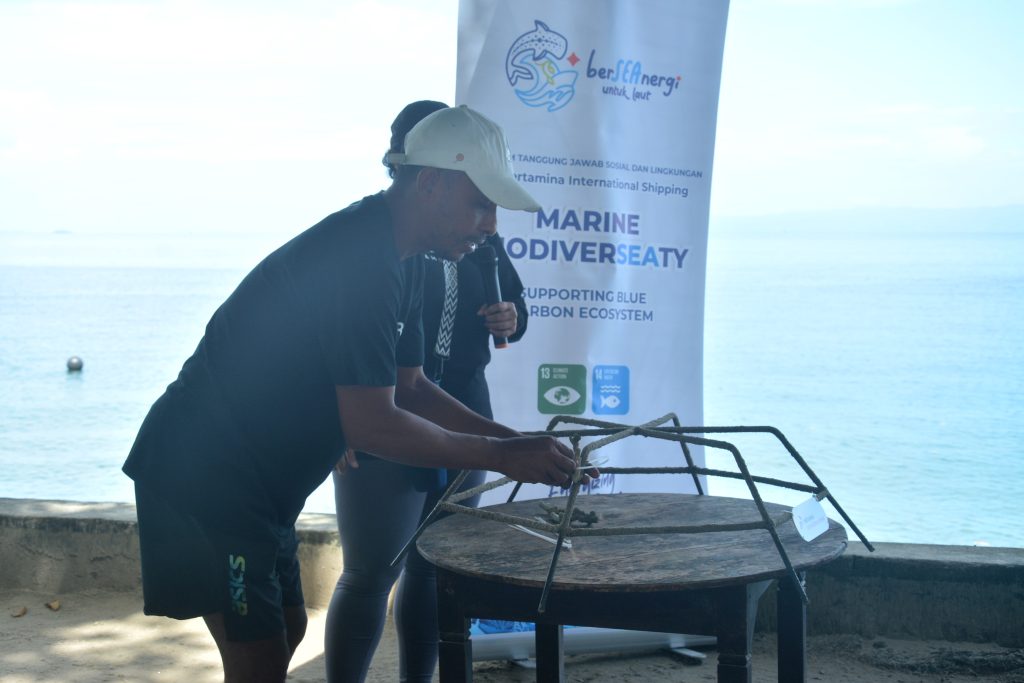
The main agenda of the Seasoldier–PIS collaboration in Maluku included several key activities: a sharing session about conservation areas in Ambon and Letan, a presentation on coral ecosystems and transplantation techniques by Samu Bahri, Coordinator of Seasoldier Ambon’s Conservation Division, and a symbolic handover of coral transplantation structures from PIS to Seasoldier.
During these sessions, participants not only learned the theoretical aspects of coral ecology but also witnessed firsthand how reef rehabilitation is carried out using appropriate and measurable techniques. This educational approach serves as an important bridge to help participants understand that marine protection goes beyond transplantation; it requires ensuring that the ecosystem can recover naturally and sustainably.
“It’s not a plant, but it grows like one.” Seasoldier’s COO, Dinni Septianingrum, said during the sharing session in Ambon.
According to the National Geographic Society (2024) and NOAA (n.d.), coral reefs are among the most complex marine ecosystems on Earth. Although they may appear like colorful, motionless plants, coral reefs are actually animals. They are formed by colonies of tiny organisms called coral polyps — invertebrates belonging to the phylum Cnidaria, which also includes jellyfish and sea anemones.
Each polyp has a soft, cylindrical body with a mouth at the center surrounded by small tentacles. These polyps live in colonies and secrete calcium carbonate (CaCO₃), which forms the hard structure that supports them. Over time, layer upon layer of calcium carbonate accumulates, creating the solid skeletons that we recognize as coral reefs.
Interestingly, even though corals are not plants, their growth pattern resembles that of vegetation. This is because within the tissues of each polyp live microscopic algae called zooxanthellae, which perform photosynthesis like plants. The relationship between coral and algae is a mutualistic symbiosis. The zooxanthellae produce oxygen and glucose through photosynthesis, serving as the main energy source for the coral polyps. In return, the polyps provide the algae with shelter and nutrients such as nitrogen and phosphorus.
This cooperation allows corals to thrive in clear, shallow waters exposed to sunlight. Hence, coral reefs are often described as “plants that live like animals” — while in reality, they are animals dependent on plant-like photosynthesis to survive.
From this complex interaction between polyps, algae, and the marine environment arises one of the most productive ecosystems on Earth. Coral reefs form the foundation of marine life, serving as home to thousands of fish, mollusks, crustaceans, and other organisms that sustain the ocean’s food web.
525 Coral Fragments for the Waters of Ambon and Letan
The program targets the transplantation of 525 coral fragments, attached to 35 spider structures — iron frameworks shaped like spider webs that serve as a base for coral fragments to attach and grow. These structures are placed close to the previous year’s conservation area to create a connected ecosystem network, accelerating habitat recovery.
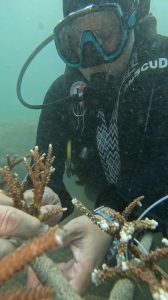
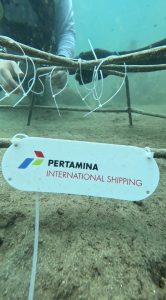
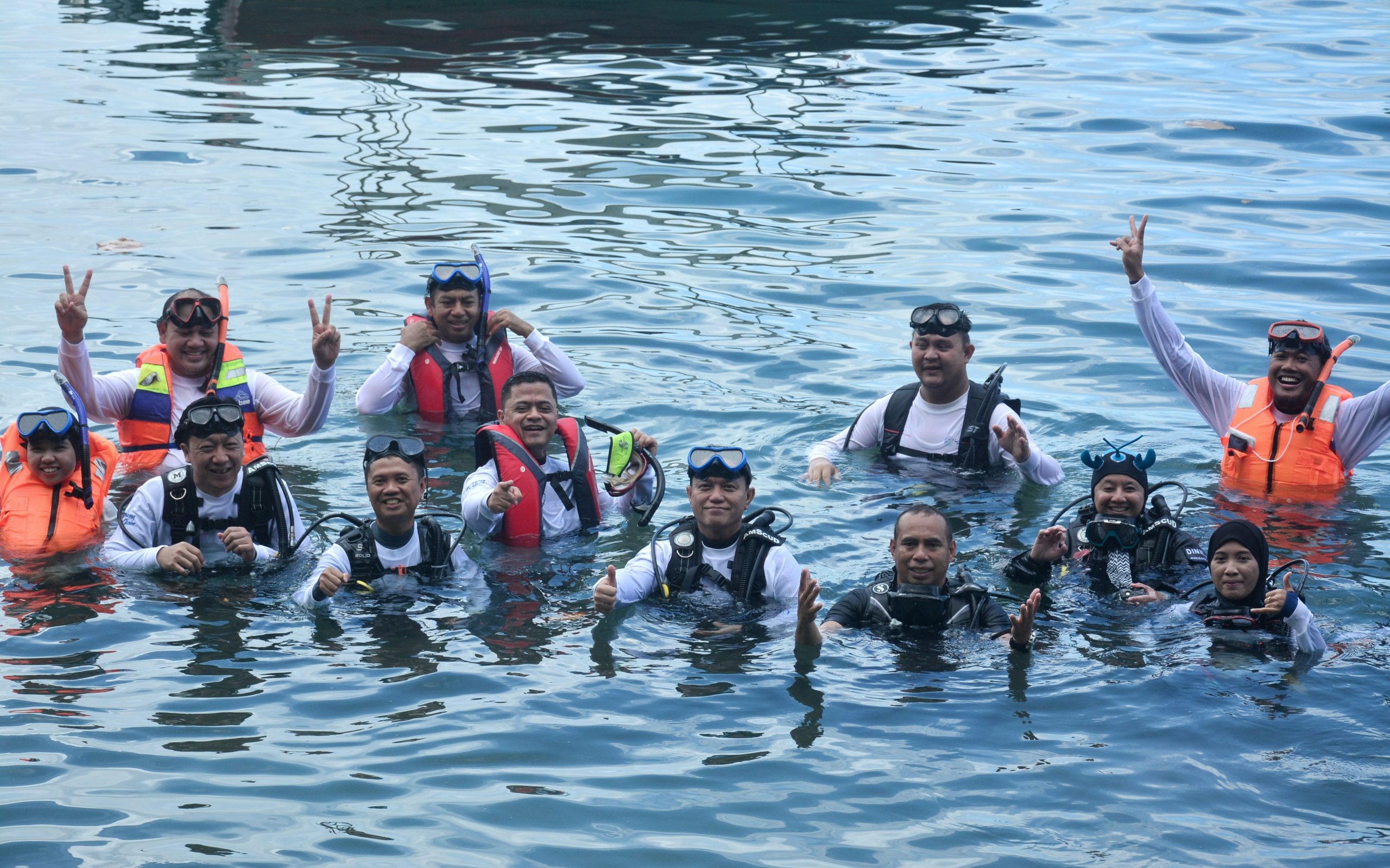
In addition to the main activity, participants also joined a fun snorkeling session in Morella waters. This activity was not only an educational recreation but also a way to showcase the natural beauty and ecotourism potential of the local marine area. Through direct experiences like this, participants are expected to gain a deeper understanding of the ecological and economic value of marine conservation.
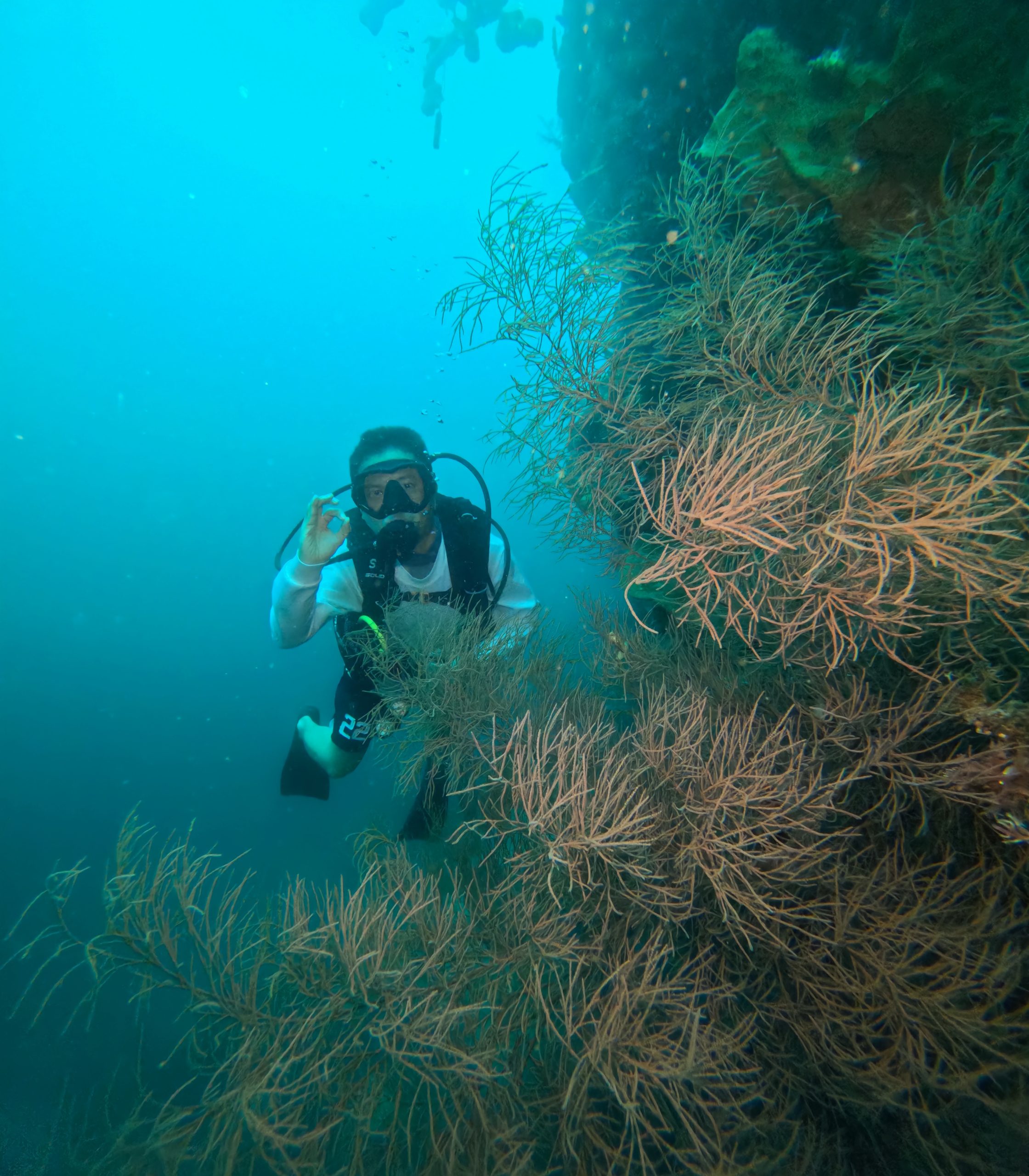
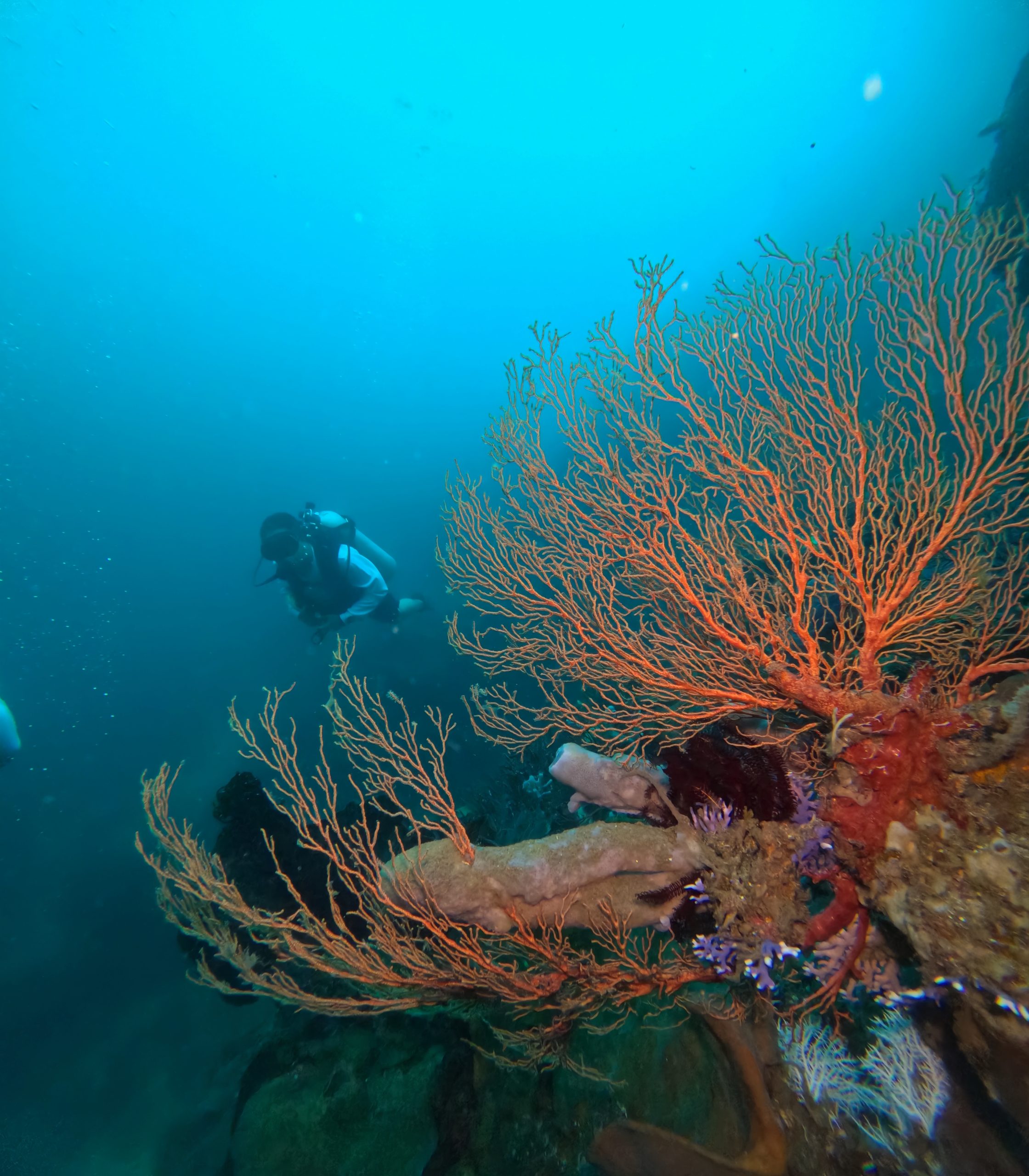
According to Dinni Septianingrum, the choice of Morella as a location was deliberate. “This area has started to experience the impacts of fishing activities and needs ecosystem recovery,” she explained.
Through this activity, Seasoldier and PIS aim to demonstrate that conservation is not only about restoring nature but also about encouraging coastal communities to become more aware and actively involved in protecting their own marine resources.
This marine conservation program is expected to strengthen Maluku’s coastal ecosystems while also opening opportunities for broader collaboration in environmental education and sustainable marine tourism development across Eastern Indonesia. Through active participation from communities, corporations, and local stakeholders, this initiative serves as tangible proof that ocean preservation is a collective movement, not the responsibility of a single entity.
More than just coral transplantation, the collaboration between Seasoldier and Pertamina International Shipping (PIS) embodies a genuine commitment to long-term marine protection. Through education, conservation, and community involvement, both parties affirm that preserving the ocean is not an individual duty but a shared investment in our common future.
This commitment is expected to grow like coral itself, slowly rebuilding life on the seafloor, strong, interconnected, and nurturing biodiversity. Through consistent, meaningful actions, Seasoldier and PIS remind us that conservation is not a momentary campaign, but a long-term investment for a healthier, more resilient ocean.
Writer: Novi Wiji Lestari
Editor: Diyah Deviyanti
References
NOAA Coral Disease and Health Consortium (CDHC). (n.d.). Coral biology. National Oceanic and Atmospheric Administration. https://cdhc.noaa.gov/coral-biology/coral-biology/
NOAA Coral Reef Information System (CoRIS). (n.d.). What are coral reefs? National Oceanic and Atmospheric Administration. https://www.coris.noaa.gov/about/what_are/welcome.html
NOAA National Ocean Service. (n.d.). What are coral reefs and coral polyps? National Oceanic and Atmospheric Administration. https://oceanservice.noaa.gov/facts/coral.html
Porostimur. (2025, September 19). Seasoldier dan Pertamina International Shipping Perkuat Konservasi Laut di Maluku. Porostimur. https://porostimur.com/seasoldier-dan-pertamina-international-shipping-perkuat-konservasi-laut-di-maluku/2/