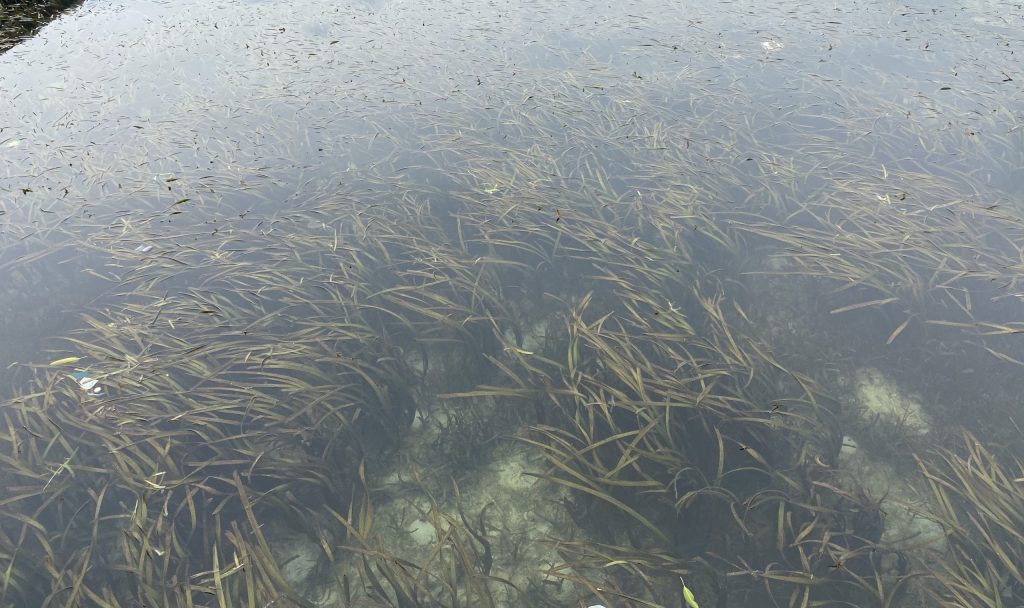
When discussing marine ecosystems, many people still assume that seagrass and seaweed are the same. Both live in the ocean and may look similar at a glance, but scientifically, they differ significantly in structure, ecological function, and their roles in human life. Understanding this distinction is important for protecting and managing coastal ecosystems more effectively.
In the field, this confusion often arises because both are typically green and grow in shallow waters that are easily visible to divers and coastal communities. Seagrass meadows are frequently mistaken for “wild seaweed”, while algae attached to coral are often assumed to be ordinary marine plants. However, a closer look reveals clear differences ranging from how they grow and what they look like to how they interact with their surrounding environment.
This misunderstanding goes beyond terminology and can influence how marine ecosystems are treated. Human activities such as coastal development, waste disposal, or unsustainable cultivation practices can unintentionally damage seagrass habitats, often because they are perceived as less important than coral reefs or mangroves. At the same time, the economic use of seaweed continues to grow, but not always alongside a proper understanding of sustainability limits.
By recognizing the fundamental differences between seagrass and seaweed from the outset, we begin to see that they are not simply “marine plants,” but distinct components with specific roles in maintaining the balance of coastal ecosystems. This understanding provides a clearer foundation for exploring each in more depth, both from an ecological perspective and within the broader context of conservation.
What Is Seagrass?
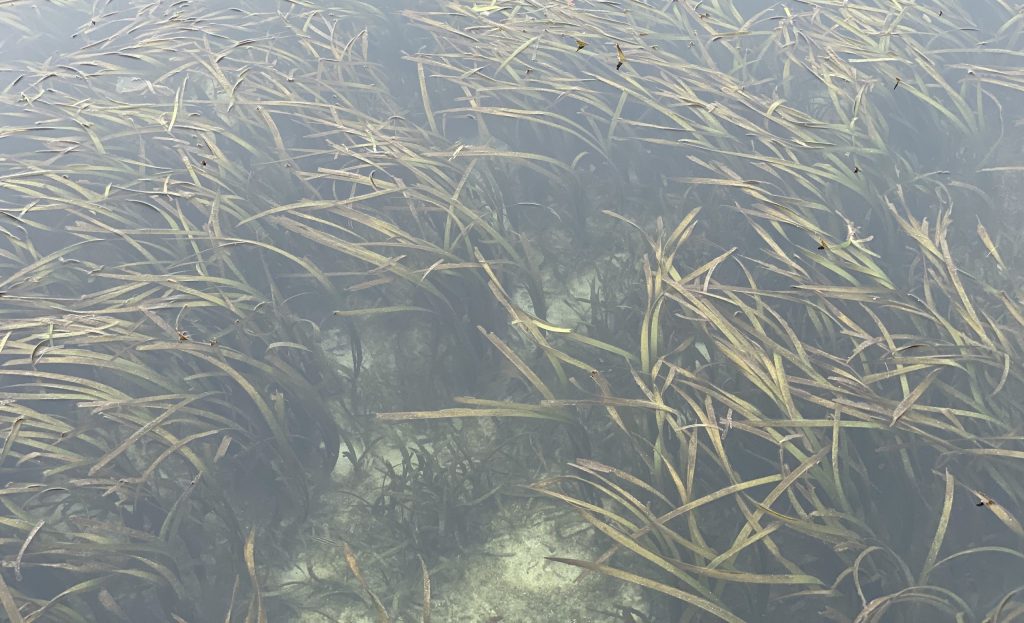 Photo: Seasoldier Documentation
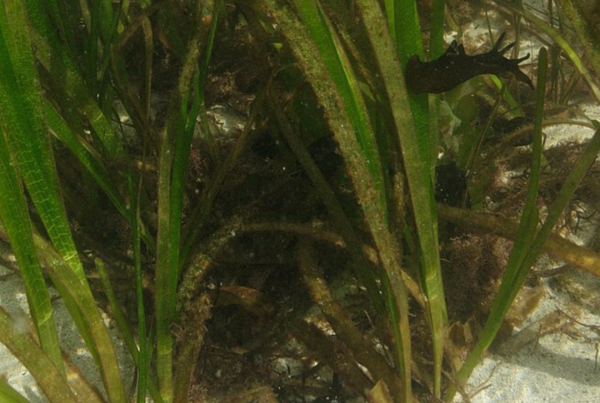
Seagrass is a true flowering plant (angiosperm) that has fully adapted to life in the marine environment. Unlike other ocean organisms that may look similar, seagrass has a complete plant structure comparable to land plants, including roots, rhizomes, leaves, and even flowers and seeds that develop underwater.
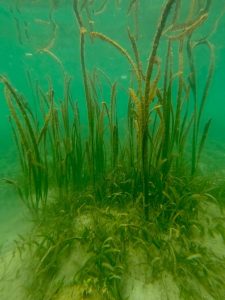 Photo: Seasoldier Documentation
Seagrass grows by anchoring its roots into the seabed, whether in sandy or muddy substrates, and expands to form extensive underwater meadows. These ecosystems are typically found in clear, shallow waters, as they rely heavily on sunlight for photosynthesis. One of the most common misconceptions is that seagrass is the same as seaweed. In reality, seagrass is a true plant with a flowering reproductive system, while seaweed belongs to a group of algae. In fact, seagrass is recognized as the only flowering plant capable of living entirely in the ocean.
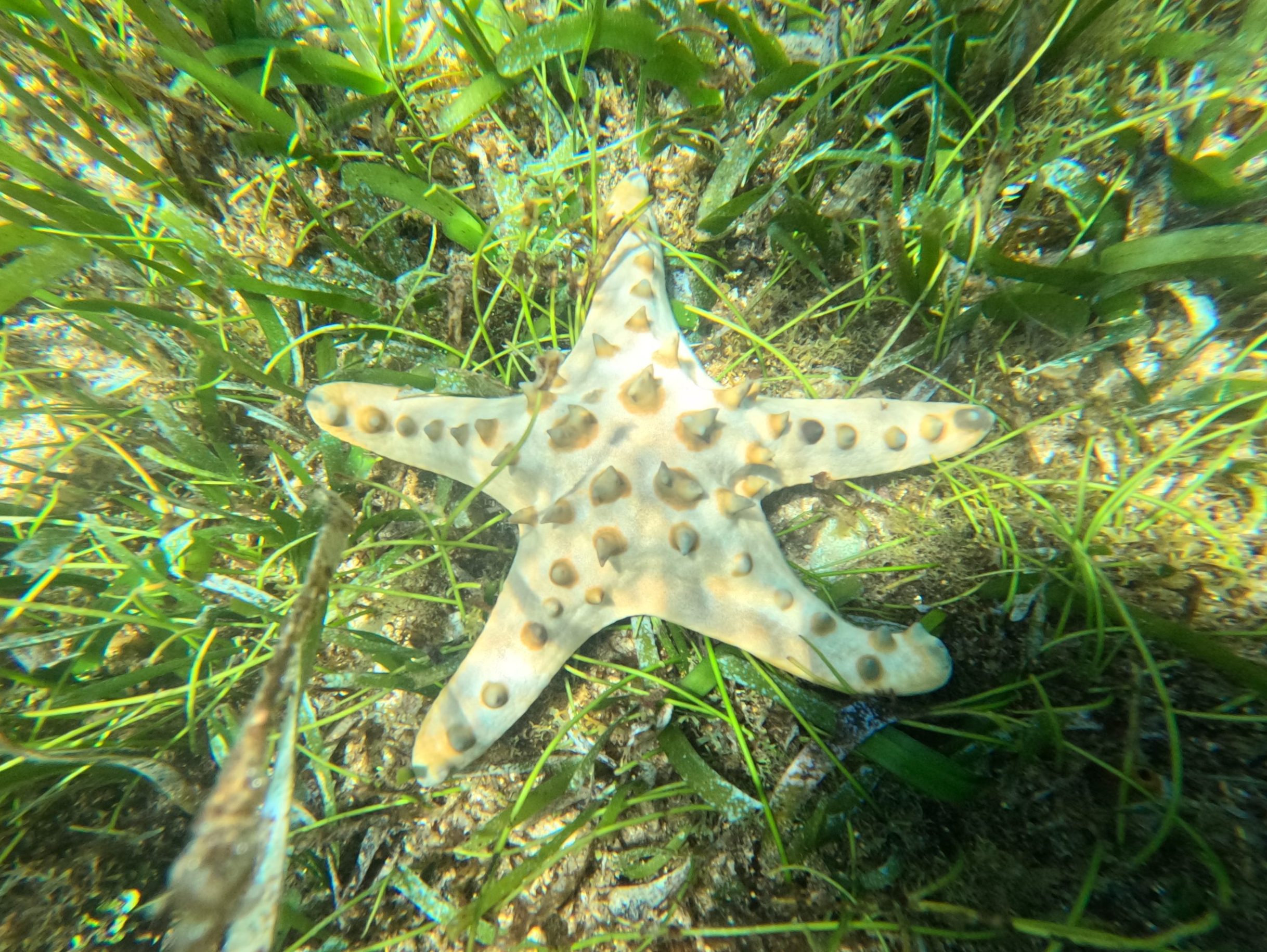
More than just a “marine plant,” seagrass plays a vital role in maintaining the balance of coastal ecosystems. Often described as the “underwater savannah,” seagrass meadows support life on a large scale. They provide habitat, food sources, and breeding grounds for thousands of marine species, including fish, sea turtles, and dugongs.
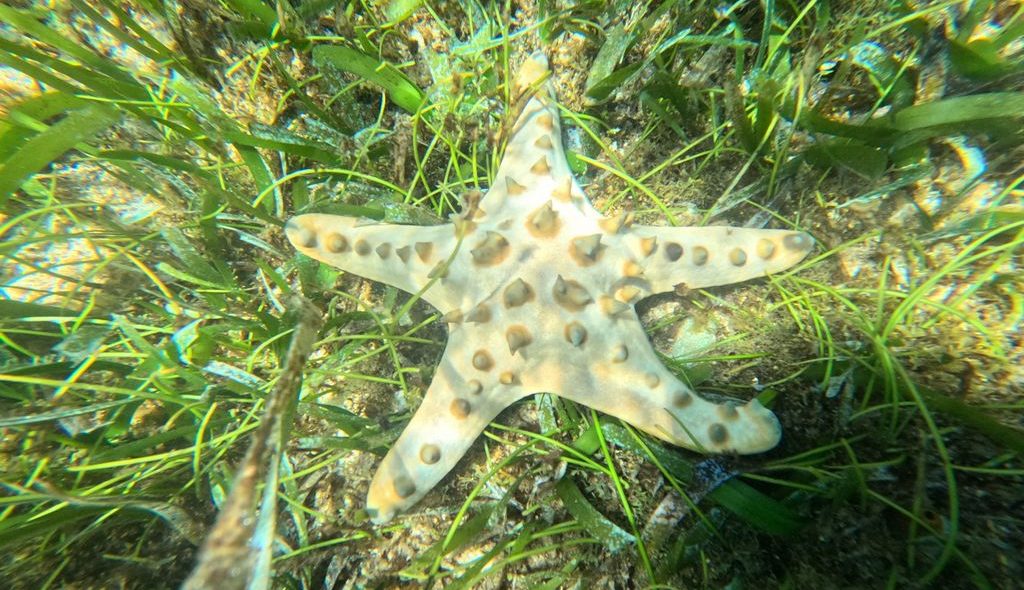
Photo: Seasoldier Documentation
Beyond that, seagrass ecosystems are deeply interconnected with other ecological processes. They are known to support fisheries productivity by offering shelter and nursery areas for various fish species, crustaceans, and other marine life. Their presence is essential for the survival of many organisms, including species with high ecological and economic value.
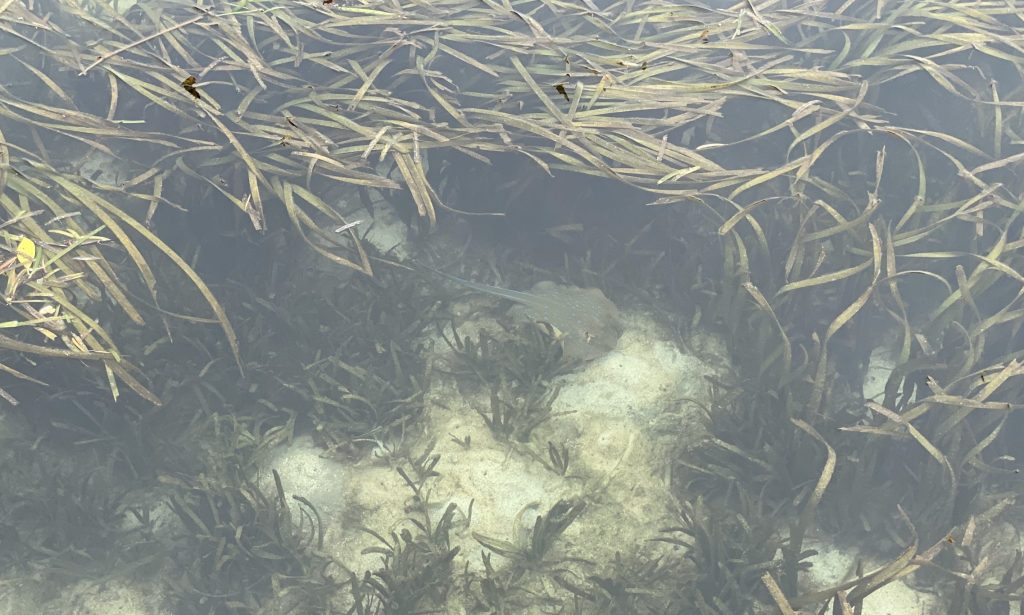 Photo: Seasoldier Documentation
In the context of climate change, seagrass plays a critical role as a highly efficient natural carbon sink, often referred to as blue carbon. When compared by area, its carbon storage capacity is comparable to that of forests. Remarkably, seagrass meadows can absorb carbon at a much faster rate, potentially many times faster than a tropical rainforest. In addition, coastal seagrass ecosystems can store vast amounts of carbon per square kilometer, making them among the most effective natural systems for capturing and locking away carbon.
This role does not stand alone. Within interconnected coastal systems, seagrass serves as an ecological link between mangroves and coral reefs, helping maintain the flow of energy, nutrient cycles, and the movement of marine species within a balanced ecosystem. At the same time, seagrass meadows provide natural coastal protection by reducing wave energy, minimizing erosion, and stabilizing seabed sediments. These functions are especially important for coastal communities that are vulnerable to storms and rising sea levels. Seagrass also helps improve water quality by filtering suspended particles and absorbing excess nutrients, resulting in clearer waters that support healthier surrounding ecosystems.
Interestingly, although seagrass covers only a small portion of the ocean floor, it is considered one of the most productive and valuable ecosystems both ecologically and economically. Many coastal communities depend on seagrass ecosystems for their livelihoods, particularly through fisheries and other marine-related activities. With all these characteristics and roles, seagrass is not merely a supporting element of marine ecosystems; it is a critical foundation for environmental sustainability and the stability of coastal life.
What Is Seaweed?
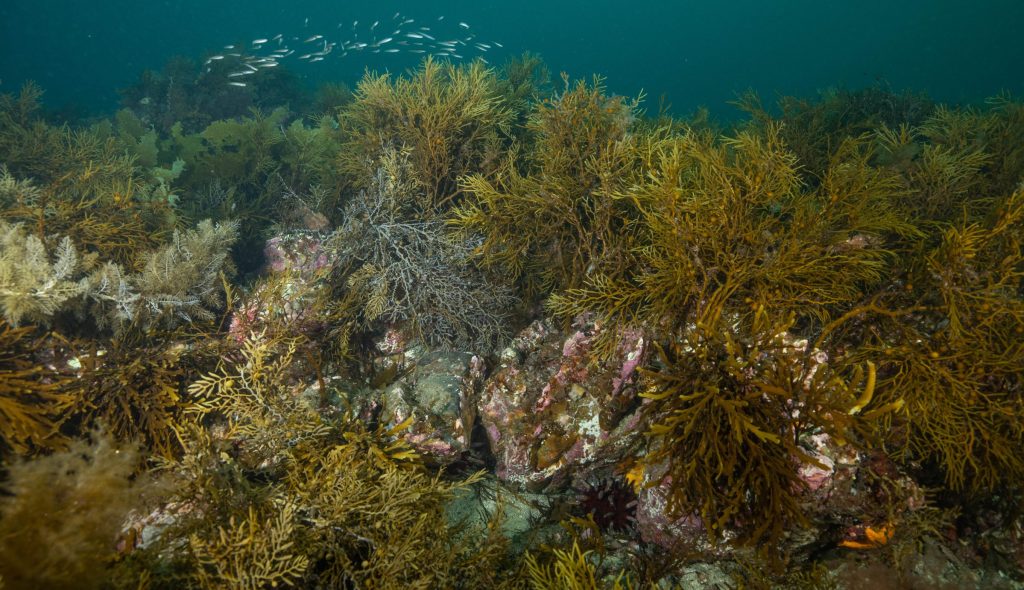
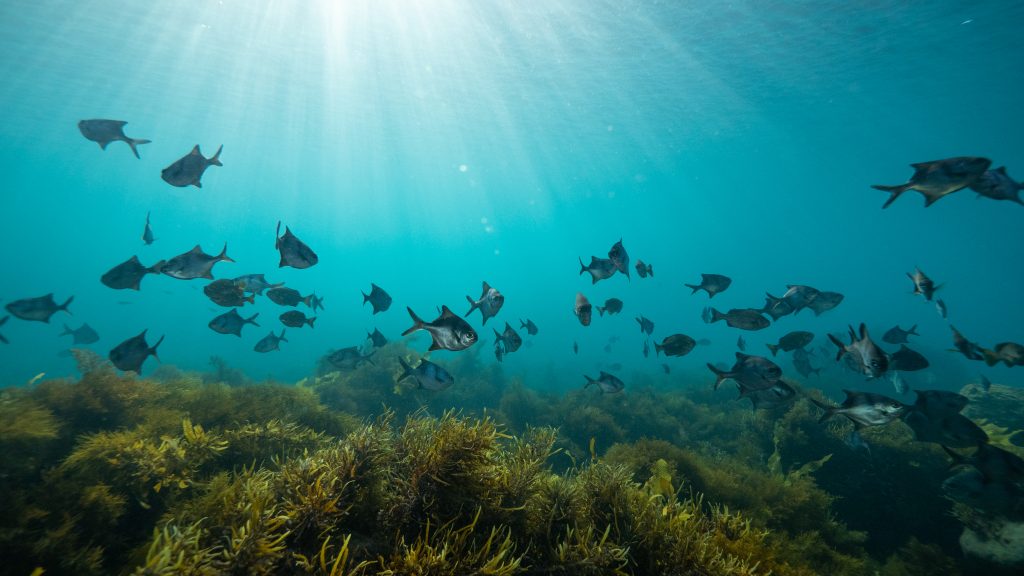 Source: Stefan Andrews / Ocean Image Bank
Seaweed refers to a group of macroscopic algae that live in marine environments. Scientifically, it includes red, green, and brown algae that are commonly found in coastal areas and shallow waters. Unlike true plants, seaweed does not have roots, stems, or leaves in the conventional sense. Its structure is simpler and lacks a vascular system, allowing it to absorb nutrients directly from seawater across its entire surface.
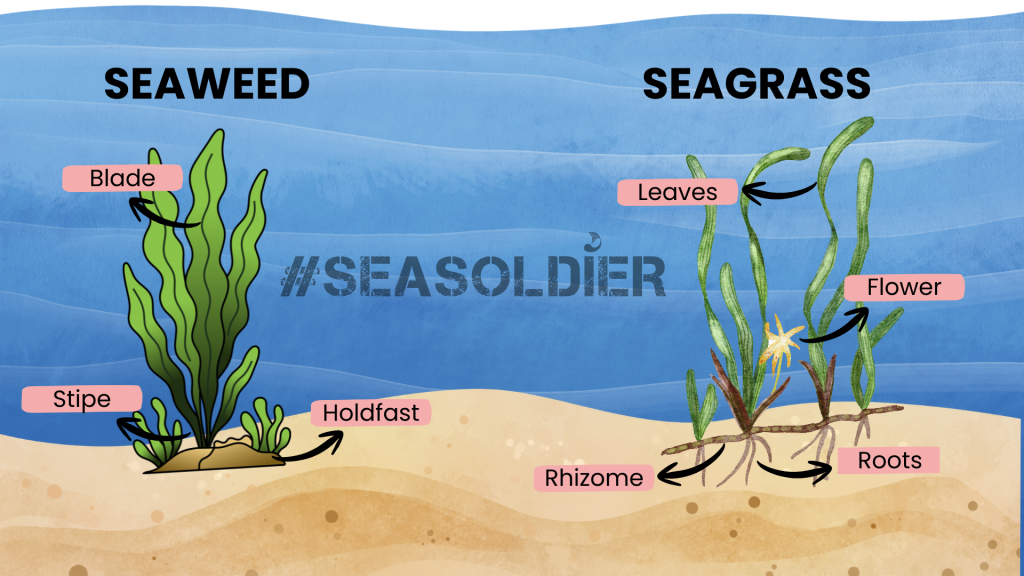
Although it may appear to have “roots” or “leaves,” these are actually functional structures such as the holdfast (for attachment), stipe, and blade. These parts help seaweed remain anchored and adapt to ocean conditions, but they do not perform the same complex functions as plant organs on land.
In general, seaweed is classified into three main groups based on pigment: green algae (Chlorophyta), brown algae (Phaeophyceae), and red algae (Rhodophyta). Each group has distinct characteristics and ecological roles, and they are distributed across a wide range of marine environments, from intertidal zones to deeper waters.
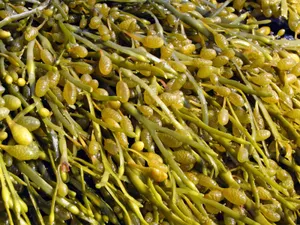 Bladder wrack (Fucus vesiculosus), brown algae found along the northern Atlantic coasts. Source: Encyclopaedia Britannica
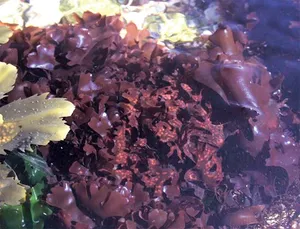
Irish moss (Chondrus crispus), a red algae species. Source: Encyclopaedia Britannica
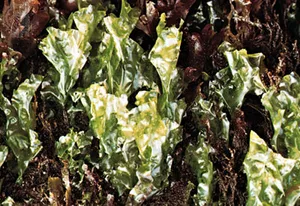
Sea lettuce (Ulva lactuca) is exposed at low tide, a species of green algae. Source: Encyclopaedia Britannica
Seaweed serves as a primary producer in marine ecosystems, using sunlight to absorb carbon dioxide and generate energy through photosynthesis. Alongside phytoplankton, it forms the base of the ocean food web and provides habitat for various marine organisms through its complex structure.
Beyond its ecological role, seaweed contributes to ocean health by capturing carbon, increasing dissolved oxygen levels, and reducing excess nutrients and pollutants in the water. At the same time, it holds significant economic value, widely used as a food source and a raw material in industries such as food production, cosmetics, agriculture, and animal feed.
 Source: Stefan Andrews / Ocean Image Bank
Seagrass vs Seaweed
Although seagrass and seaweed may appear similar at first glance, they belong to very different biological groups. Their differences can be seen in their structure, growth patterns, nutrient absorption, reproduction, and ecological roles. Understanding these distinctions helps provide a clearer picture of how each contributes uniquely to coastal and marine ecosystems.
| Aspect | Seagrass | Seaweed |
|---|---|---|
| Classification | Flowering plant (Angiosperm) | Algae (not a true plant) |
| Body structure | Has roots, rhizomes, and true leaves with vascular tissue | Has holdfast, stipe, and blade |
| Nutrient absorption | Absorbs nutrients through roots from the sediment | Absorbs nutrients directly from seawater through its surface |
| Photosynthesis | Occurs mainly in the leaves | Occurs throughout the entire body |
| Reproduction | Through flowers, fruits, and seeds (underwater pollination) | Through spores of fragmentation |
| Habitat | Grows on the seafloor (sand or mud) with roots anchored in sediment | Attaches to rocks, coral, or other hard substrates |
Understanding the difference between seagrass and seaweed helps us recognize that every component of the ocean has a unique role that cannot simply be replaced. With this perspective, coastal ecosystems can be understood more holistically, allowing conservation and marine management efforts to be carried out more effectively for the long-term benefit of both nature and people.
Author: Novi W. Lestari
References:
- Seagrass-Watch. (n.d.). What Is Seagrass? Retrieved May 6, 2026, from https://www.seagrasswatch.org/seagrass/
- The Ocean Agency. (n.d.). The Magic of Seagrass. Retrieved May 6, 2026, from https://www.theoceanagency.org/toolkits/seagrass
- Seaweed Council. (n.d.). What Is Seaweed? Retrieved May 6, 2026, from https://seaweedcouncil.org/what-is-seaweed/
- Encyclopaedia Britannica. (2026, April 29). Seaweed. Retrieved May 6, 2026, from https://www.britannica.com/science/seaweed
Image Source:
- Seasoldier. (2026). Seasoldier documentation archive.
- Ocean Image Bank. (n.d.). Seagrass and Seaweed images [Photographs]. Retrieved May 6, 2026, from https://oceanimagebank.theoceanagency.org/
- Encyclopaedia Britannica. (2026, April 29). Seaweed [Photographs]. Retrieved May 6, 2026, from https://www.britannica.com/science/seaweed